Van fleet insurance for trades, service and delivery businesses
Small vans to large panel vans on one policy, with one renewal date and the right use for the work each van does. Fill in one short form to be put in touch with specialist brokers who arrange van fleet cover for UK businesses.
- Small vans to large panel vans
- Own goods or hire and reward
- Named or any driver options
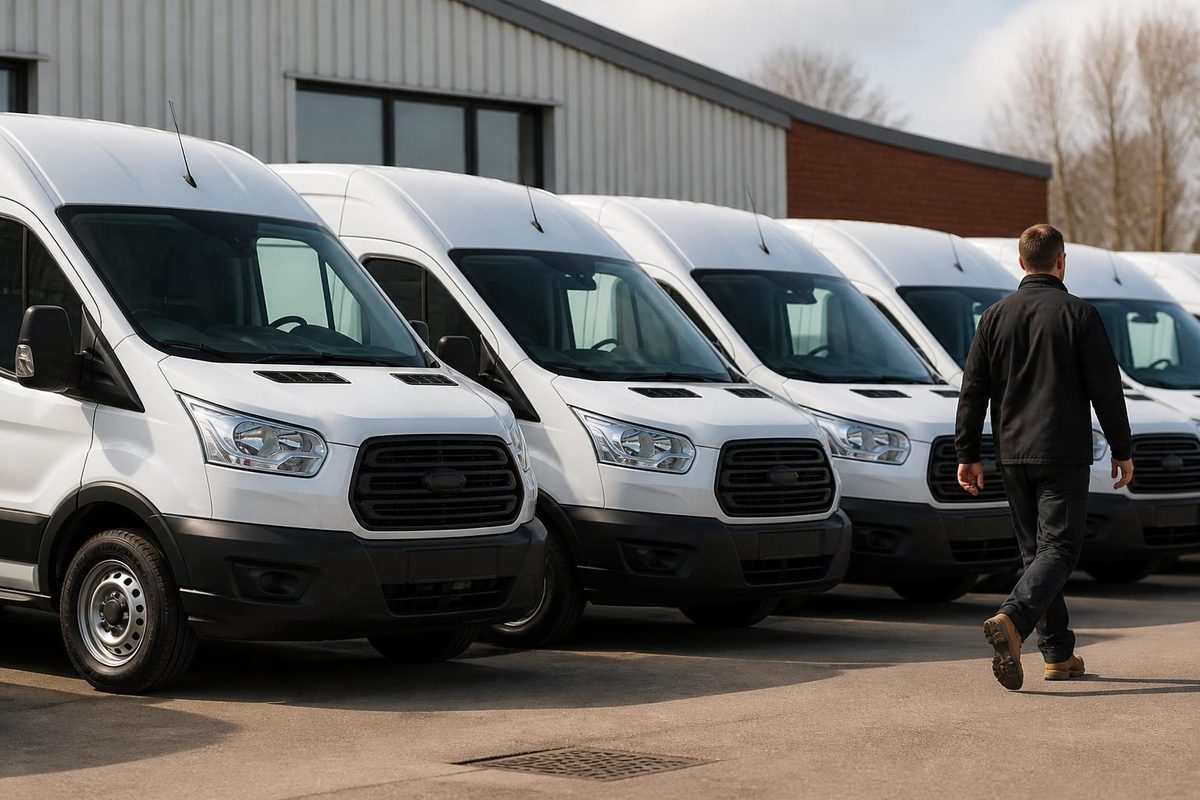
Van fleet insurance in brief
Van fleet insurance is one motor policy that covers several vans run by a business, instead of a separate policy for each van. It is used by trades, service engineers, retailers and delivery firms, and many insurers offer it from as few as two or three vans, depending on the insurer.
The policy sets out what each van may be used for, who may drive it and the level of cover. The biggest difference between van policies is usually the class of use: carrying your own tools and stock is insured differently from carrying other people's goods for payment.
Who it is for
Which businesses use van fleet insurance?
Van fleet cover suits any business running several vans, from a few vans at one depot to vans based at staff homes across the country.
Class of use
What can the vans be used for on a fleet policy?
Each van on the fleet is insured for set uses. A van insured for your own goods can be uninsured the moment it carries someone else's parcels for a fee.
- Social, domestic and pleasure: Personal use for staff who take a van home in the evenings or at weekends.
- Commuting: Driving between home and a usual place of work or depot.
- Business use: Driving to customers, sites and suppliers as part of the job.
- Carriage of own goods: Carrying your own tools, materials and stock. This is the usual use for trades and service vans.
- Hire and reward: Carrying other people's goods for payment, such as courier or delivery work. Own goods cover does not include it.
Vans over 3.5 tonnes are goods vehicles and are usually insured as lorries. See HGV fleet insurance.
Levels of cover
Comprehensive, third party, fire and theft, or third party only
The level of cover decides what happens when one of your own vans is damaged or stolen. It does not usually cover what is inside the van.
| What is covered | Comprehensive | Third party, fire and theft | Third party only |
|---|---|---|---|
| Injury to other people | Yes | Yes | Yes |
| Damage to other people's vehicles and property | Yes | Yes | Yes |
| Fire damage to your vans | Yes | Yes | No |
| Theft of your vans | Yes | Yes | No |
| Accidental damage to your vans | Yes | No | No |
| Tools and stock inside the vans | Usually separate | Usually separate | Usually separate |
Most van fleets are arranged on comprehensive cover. Tools and stock left in vans are usually covered by a separate policy or an add-on.
In the back of the van
Tools, stock and goods: what the van policy leaves out
A van fleet policy covers the vans and the people they might hurt. What the vans carry is usually insured separately.
Tools in vans
Cover for tools and equipment kept in the vans, including overnight.
- Limits often apply to tools left in vans overnight
- Some policies need tools kept out of sight
- Theft without signs of forced entry is often excluded
Goods in transit
Cover for goods carried for customers, if they are lost, stolen or damaged.
- Usually needed for hire and reward work
- Some delivery contracts ask for it
- Goods in transit cover
Racking, signwriting and changes
Fitted equipment and changes to the van that the insurer needs to know about.
- Racking, shelving and ladder racks
- Signwriting and wraps
- Tail lifts, refrigeration and conversions
Pricing
What affects the price of van fleet insurance?
Insurers price a van fleet on the whole picture, not only on how many vans there are. These are the points most likely to come up in a quote.
- The vansSize, make, model and value, and how easy each van is to repair.
- What the vans carryOwn tools and stock, or other people's goods for payment.
- The driversAges, licence history, convictions and past claims.
- Where the vans are keptA locked yard, staff driveways or the street overnight.
- SecurityDeadlocks, alarms, trackers and marked panels.
- Mileage and areaLocal work or long distances, and where the vans mainly drive.
- The fleet's claims recordClaims made by the business over recent years.
- Changes to the vansRacking, conversions and fitted equipment declared to the insurer.
How it works
One quote form, specialist fleet brokers
Insure Fleet is an information site, not an insurer or a broker. We link you to MyMoneyComparison.com, a comparison service that gives businesses a gateway to brokers who arrange fleet insurance every day.
Start your quote
Get my fleet quote takes you to our partner, MyMoneyComparison.com.
Describe the van fleet
The form asks about the vehicles, the work they do and who drives, so you can be matched with a specialist fleet broker.
Compare and decide
A broker contacts you with options, subject to insurers' acceptance criteria. There is no obligation to buy.
Before you buy
Questions worth asking about any van fleet policy
Two van fleet quotes at a similar price can cover very different things. These are the points that most often catch businesses out.
- Does each van have the right use?Own goods and hire and reward are different classes of use.
- Who is allowed to drive the vans?Named drivers, any driver and age limits vary between insurers.
- Are tools covered overnight?Many policies limit cover for tools left in a van after dark.
- Where are the vans parked at night?A yard, a driveway or the street can change the price.
- Is a replacement van offered?Without one, a damaged van can mean lost jobs while it is repaired.
- Are racking and signwriting declared?Changes to a van usually need to be disclosed to the insurer.
- How are new vans added?Some policies cover new vans for a short time; others need them declared first.
- Do trackers or dashcams change the terms?Some insurers take them into account, and some require them.
FAQs
Van fleet insurance questions
What is van fleet insurance?
Van fleet insurance is one motor policy that covers several vans run by a business, instead of a separate policy for each van. It sets out what each van may be used for, who may drive and the level of cover, all on one schedule with one renewal date.
How many vans do I need for van fleet insurance?
Many insurers offer van fleet insurance from two or three vans, depending on the insurer. Some schemes start at a higher number, so it helps to tell the broker how many vans you run now and whether that is likely to grow.
Does van fleet insurance cover courier and delivery work?
Only if the vans are insured for hire and reward. Carrying your own tools and stock is a different class of use from carrying other people's goods for payment. See courier fleet insurance for delivery firms.
Are tools in the vans covered by the fleet policy?
Usually not. The van fleet policy covers the vans and third parties. Tools and equipment kept in the vans are normally covered by a separate tools policy or an add-on, often with limits for tools left in a van overnight.
Can cars and vans go on the same fleet policy?
Yes. A mixed fleet policy can cover vans and cars together on one schedule. Each vehicle still needs the right class of use for the work it does.
Is a van over 3.5 tonnes covered by van fleet insurance?
Usually not. Goods vehicles over 3.5 tonnes are normally insured as lorries, on HGV or lorry fleet insurance, and may need an operator licence.
Can apprentices and younger staff drive the vans?
Often, subject to the insurer's minimum age and licence terms. Younger or less experienced drivers may carry a higher excess, and some policies only allow them as named drivers.
Does Insure Fleet sell insurance?
No. Insure Fleet is an information site and an affiliate of MyMoneyComparison.com, a comparison service that gives businesses a gateway to specialist brokers. When you start a quote you continue to MyMoneyComparison.com, and we may be paid a small commission if you are matched with and speak to a broker.
Ready to get your van fleet covered?
One form, specialist fleet brokers, no obligation.